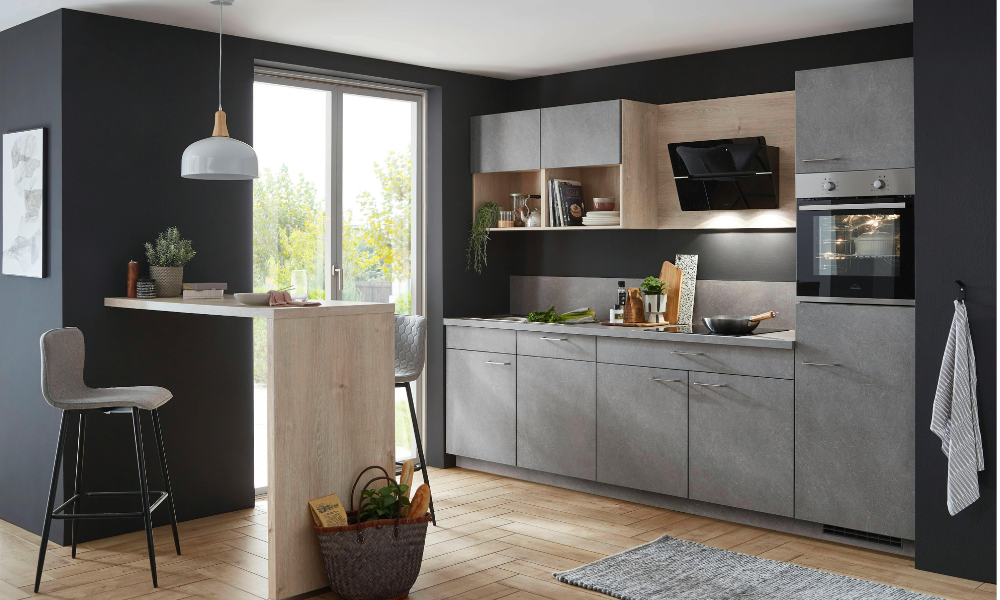
The space above kitchen cabinets is easy to overlook. It can look empty and unfinished, especially when the cabinets stop several inches below the ceiling. But with the right decor, this unused area can become one of the most attractive parts of your kitchen.
If you’re wondering what to put above kitchen cabinets, the answer depends on your home’s style, cabinet height, and how much maintenance you’re willing to handle. From plants and baskets to artwork and simple decorative pieces, there are plenty of ways to make this awkward space feel intentional.
Why Decorate the Space Above Cabinets?
The area above cabinets can add personality to an otherwise ordinary kitchen. Instead of leaving it as a dusty gap, you can use it to introduce color, texture, or visual interest.
Decorating this area also helps connect the cabinets with the ceiling. When done thoughtfully, the kitchen can appear taller, warmer, and more complete.
However, filling every inch isn’t necessary. Sometimes a few carefully selected pieces look much better than a crowded display.
Add Greenery for a Fresh Look
Plants are one of the easiest choices for the space above cabinets. They bring natural color into the kitchen and soften the hard lines created by cupboards and countertops.
If the area receives enough natural light, you might use hardy indoor plants. Otherwise, realistic artificial greenery can provide a similar effect without regular watering.
Trailing plants can be especially attractive because their leaves gently hang over the cabinet edges. Keep the arrangement simple so the greenery doesn’t become visually overwhelming.
Display Woven Baskets
Woven baskets are practical and decorative at the same time. Their natural texture works beautifully with farmhouse, rustic, coastal, and modern kitchens.
Place several baskets of different sizes together for a relaxed appearance. You can also use them to hide items you don’t need every day.
Choose baskets in similar materials or colors to keep the arrangement coordinated. Too many different patterns can make the area appear messy.
Use Decorative Vases
A few attractive vases can give the upper portion of your kitchen an elegant touch. Ceramic, glass, stoneware, and textured vases can all work well.
Try grouping two or three pieces at varying heights rather than lining up identical objects. Adding dried branches or artificial stems can make the arrangement feel more finished.
Neutral-colored vases are particularly useful if your kitchen already contains several strong colors.
Create a Small Art Display
Artwork isn’t limited to living rooms and bedrooms. A small collection of framed prints can also work above kitchen cupboards.
Choose artwork that complements the colors already present in the room. Botanical prints, simple illustrations, vintage kitchen artwork, and abstract designs can all fit naturally into the space.
Lean the frames against the wall instead of hanging them if the cabinet area allows it. This creates a casual, layered appearance and makes seasonal changes easier.
Bring in Vintage Kitchen Pieces
Old-fashioned kitchen items can add character and charm. Consider displaying an antique-looking scale, wooden cutting boards, ceramic containers, or an old serving tray.
The goal isn’t to create a museum display. Select a few pieces with an interesting shape or story.
This approach works especially well in farmhouse and traditional kitchens, where a little nostalgia can make the room feel more welcoming.
Try Wooden Cutting Boards
Wooden cutting boards are useful even when they’re being used purely as decoration. Their warm tones can break up a kitchen filled with white, gray, or other cool surfaces.
Stand several boards upright and overlap them slightly. You can mix round, rectangular, and paddle-shaped boards for additional interest.
If you regularly use the boards for cooking, however, it’s better to keep food-contact surfaces clean and stored appropriately rather than treating them as permanent decor.
Display Cookbooks
Cookbooks can turn an empty upper area into a cozy reading corner. Stack a few attractive books horizontally and place a small decorative item on top.
Select books with covers or spines that complement your kitchen. You don’t need a huge collection; a small stack can be enough.
Keep them away from excessive heat, moisture, and grease, particularly if your stove is nearby.
Add a Decorative Sign
A simple sign can make the kitchen feel more personal. You might choose a short phrase, family-inspired message, or classic kitchen-themed design.
Avoid signs with overly large lettering if the cabinet gap is narrow. A small piece that fits naturally into the space usually looks more sophisticated.
For a contemporary kitchen, choose clean typography. For a rustic space, wooden or distressed finishes may work better.
Use Pottery and Ceramic Pieces
Ceramic bowls, pitchers, jars, and handmade pottery can add subtle texture above cabinets. Their uneven shapes can make the display feel less manufactured.
Try combining pieces with slightly different heights while keeping their colors within the same general palette.
If you have beautiful pottery that isn’t used regularly, this is an excellent place to showcase it without taking up valuable counter space.
Create a Seasonal Display
You don’t have to keep the same arrangement throughout the year. Seasonal decorations can make the kitchen feel fresh without requiring a major redesign.
For example, spring might call for greenery and soft floral accents, while autumn could feature warm-toned foliage and natural textures.
During the holidays, a modest arrangement of greenery, ornaments, or other festive accents can work beautifully. Keep decorations away from heat sources and avoid anything that could easily fall.
Keep the Look Minimal
Sometimes the best answer to what to put above kitchen cabinets is simply a few carefully chosen pieces.
Minimal decor can be especially effective in modern kitchens. Instead of filling the entire space, select one large statement piece or a small group of related objects.
Leaving some empty space around the decorations helps each item stand out. It also makes cleaning easier.
Match the Kitchen’s Existing Style
Before buying anything, look at the colors, materials, and overall character of your kitchen.
A farmhouse kitchen may suit baskets, pottery, wood, and greenery. A modern kitchen might look better with simple ceramics, sculptural objects, or minimal artwork. Traditional spaces can handle decorative plates, vintage pieces, and classic accessories.
The most attractive displays usually feel like a natural extension of the room rather than something added at the last minute.
Avoid Making the Area Too Busy
One common mistake is trying to use every available inch. A crowded display can make the kitchen look smaller and create unnecessary cleaning work.
Instead, focus on balance. Mix heights, shapes, and textures while keeping the number of objects under control.
Remember that the goal is to make the kitchen look finished—not to turn the top of the cabinets into extra storage for everything you don’t know where to put.
Think About Cleaning and Safety
Kitchen air can carry grease and moisture, which eventually settles on exposed surfaces. For this reason, decorative items above cabinets should be easy to remove and clean.
Avoid placing fragile objects near the edge where they could fall. Keep decorations safely away from stovetops, ovens, and other heat-producing appliances.
If you choose artificial plants, baskets, or fabric-based items, clean them regularly so dust doesn’t build up.
Final Thoughts
The space above your cabinets doesn’t have to remain an empty strip of wall. With a few thoughtful additions, it can become a charming feature that complements the rest of your kitchen.
Whether you prefer greenery, baskets, artwork, pottery, cookbooks, or vintage accessories, choose pieces that suit your decorating style and daily routine. The best approach is usually simple: use a few items you genuinely like, create some visual balance, and leave enough breathing room between them.
When deciding what to put above kitchen cabinets, don’t focus on filling the space simply because it’s there. Instead, think about how the area can contribute to the overall atmosphere of your kitchen. A restrained and intentional display will often look better than a crowded collection of decorations.