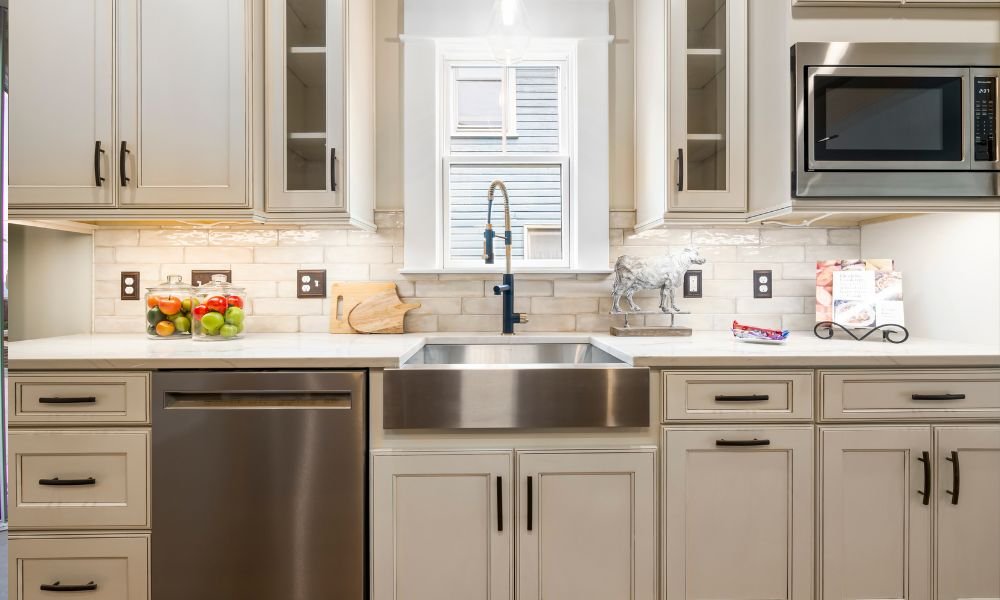
Painting kitchen cabinets is one of the easiest ways to give an older kitchen a fresh appearance without replacing the entire cabinet system. However, choosing the right paint matters more than many people expect.
Cabinets are exposed to fingerprints, cooking grease, moisture, heat, and frequent cleaning. Ordinary wall paint may look good initially but can wear quickly when used on doors and drawers.
So, what is the best paint for kitchen cabinets? The answer depends on the cabinet material, the finish you want, how much use the kitchen gets, and how much preparation you are willing to do.
Why Cabinet Paint Needs to Be Durable
Kitchen cabinets experience considerably more contact than most painted surfaces around the home.
Doors are opened several times a day. Hands leave oils and fingerprints behind, while cooking can create airborne grease that settles on nearby surfaces. Cabinets may also need regular wiping.
For these reasons, a good cabinet coating should provide strong adhesion, resist everyday wear, and create a surface that can be cleaned without easily losing its finish.
Acrylic Latex Paint for Easy Application
Acrylic latex paint is a popular choice for homeowners because it is relatively easy to work with and generally produces a smooth appearance.
Water-based formulas have less odor than many solvent-based products and are easier to clean up. They can also dry relatively quickly, which is useful when completing a cabinet project over a weekend.
Look for a product specifically designed for trim, doors, or cabinetry rather than choosing ordinary flat wall paint.
Alkyd Paint for a Hard-Wearing Finish
Alkyd-based paint is another strong option for cabinets.
Modern waterborne alkyd products are particularly useful because they can provide the smooth, durable feel associated with traditional oil-based coatings while offering easier cleanup than older oil formulas.
They tend to level nicely, which can help reduce visible brush marks when applied correctly.
The main consideration is drying time. Some alkyd products take longer to cure fully, so avoid heavy use until the coating has had enough time to harden.
Oil-Based Paint: Durable but Less Convenient
Oil-based paint has traditionally been used on high-contact surfaces because of its durability and smooth finish.
It can produce a tough coating when properly applied. However, it also comes with drawbacks, including stronger odors, longer drying times, and more complicated cleanup.
For many homeowners, newer waterborne products provide a more convenient alternative. Still, oil-based paint may be appropriate for certain projects when its characteristics fit the situation.
Choose the Right Sheen
The paint’s sheen affects both appearance and practicality.
A satin finish is a popular choice for cabinets because it offers a subtle amount of shine without looking overly glossy. It can also be easier to wipe clean than a very flat finish.
Semi-gloss is another practical option. It reflects more light and can create a crisp appearance, although imperfections in the cabinet surface may be more noticeable.
High-gloss paint creates a dramatic, polished appearance but requires excellent preparation because every dent, scratch, and uneven area can stand out.
Consider the Cabinet Material
The best coating can vary depending on what your cabinets are made from.
Solid wood generally accepts paint well when it has been properly cleaned, sanded, and primed. MDF can also provide a smooth painted surface, particularly around the cabinet doors.
Laminate and thermofoil cabinets are more challenging because their surfaces are less porous. They require careful cleaning, suitable surface preparation, and a primer designed to promote adhesion.
Do not assume that one paint system will work equally well on every material.
Preparation Matters More Than Paint
Even premium paint can fail if the cabinet surface is poorly prepared.
Start by removing the cabinet doors, drawers, and hardware when practical. Label the pieces so you know where everything belongs later.
Clean away grease, dust, and residue. Kitchen cabinets often have more buildup than they appear to have, particularly around handles and areas near the stove.
After cleaning, allow the surfaces to dry thoroughly before moving to the next stage.
Sand and Prime the Surface
Light sanding can help create a surface that primer and paint can grip.
You do not necessarily need to remove every trace of the existing finish. The goal is usually to dull a glossy surface and smooth imperfections.
After sanding, remove all dust.
A quality bonding primer can be especially important when painting slick surfaces, previously finished wood, or laminate. Allow the primer to dry according to the manufacturer’s instructions before applying the topcoat.
Apply Thin, Even Coats
When painting cabinet doors, resist the temptation to apply a thick layer to achieve coverage in one pass.
Thin coats generally provide better control and reduce the chance of drips, runs, and uneven drying.
Use a high-quality brush, small roller, or sprayer depending on your experience and the finish you want. If using a brush, apply the paint in controlled strokes and avoid repeatedly working over areas that have started to dry.
Two or more thin coats may provide a more attractive result than one heavy coat.
Allow Enough Time for Curing
Dry and cured are not necessarily the same thing.
Paint may feel dry to the touch relatively quickly while remaining soft underneath. Cabinets are constantly handled, so using them too soon can cause fingerprints, sticking, or premature wear.
Follow the product’s recommended recoat and curing times. When possible, give the doors plenty of time before reinstalling hardware and returning them to everyday use.
Patience at this stage can make a major difference in the final result.
Common Painting Mistakes to Avoid
Several mistakes can turn an otherwise promising cabinet project into a frustrating one.
Skipping degreasing is a major problem because paint may struggle to adhere to oily surfaces. Painting without primer can also lead to poor adhesion, especially on difficult materials.
Another common issue is applying excessively thick coats. Thick paint can take longer to dry and may develop runs or uneven texture.
Finally, avoid rushing the reassembly process. Give the finish adequate time to harden before putting the doors back into heavy daily use.
How to Choose a Paint Color
Once you have selected the right type of paint, choosing a color is the fun part.
White and off-white remain popular because they can make a kitchen feel bright and open. Soft gray works well with stainless-steel appliances and cooler countertops.
For a warmer look, muted greens, blues, beige, or earthy shades can add character without becoming overwhelming.
Consider the backsplash, flooring, walls, countertops, and hardware before making a final decision. Test a small sample first because colors can appear different under natural and artificial lighting.
Is Spraying Better Than Brushing?
Both methods can work.
Spraying can produce an exceptionally smooth finish with minimal visible brush texture, but it requires more preparation and careful masking. It also takes practice to apply an even coat.
A good brush or cabinet roller can produce excellent results with less equipment. For a DIY project, the best method is often the one you can control confidently.
So, What Is the Best Paint for Kitchen Cabinets?
For many homeowners, a high-quality cabinet or trim paint, particularly a durable waterborne acrylic or waterborne alkyd formula, is a practical choice.
There is no single product that is perfect for every cabinet. The material, preparation, desired sheen, application method, and expected level of wear all matter.
A durable paint applied to a properly cleaned, sanded, and primed surface will generally perform much better than an expensive coating applied over grease and an unsuitable existing finish.
Final Thoughts
Choosing cabinet paint is important, but preparation and application are equally significant. A durable water-based acrylic or waterborne alkyd coating can be an excellent option for many kitchens, while other products may make sense for specific surfaces or preferences.
Take time to clean the cabinets thoroughly, prepare the surface, use the right primer when needed, and apply several controlled coats. Let everything cure properly before putting the kitchen back into full use.
With the right combination of product and preparation, freshly painted cabinets can give the entire kitchen a cleaner, newer appearance without the expense of a complete renovation.